Hotel Room Scent: What Works in Guest Rooms and What Belongs in the Lobby


Hotel room scent should be lighter than lobby scent. A diffused signature scent can work well in the lobby, reception and corridors, where guests are generally more receptive to ambient fragrance. Guest rooms do better with a clean, neutral base and small touches of fragrance that guests can choose or ignore, such as a scented hand soap in the bathroom. Research backs this up. A Hong Kong university study found that guests preferred scent in public areas, and it advised hotels not to diffuse scent in guest rooms. A 2007 US survey run for a hotel brand found that almost six in ten travellers would rather their room smelled of nothing at all.
We make hotel-inspired fragrances and lease and install commercial scenting for hotels. This guide covers what belongs in each area and what to do when a guest dislikes the scent.
What scent should I use in hotel guest rooms?
Start with a clean, neutral room, then add scent in small amounts. Unpleasant odours can negatively affect guests’ perceptions of a hotel room, making odour control more important than adding fragrance. Add a light touch only after you fix odours such as damp or smoke, and keep any scent mild enough that a guest can ignore it.
A 2007 survey by Kelton Research, run for a hotel brand, found that 58 per cent of US respondents preferred a hotel room to smell of nothing at all. It also found that 66 per cent had asked for another room, complained, asked for a discount or a refund or cancelled after an unpleasant smell. That is almost six in ten who want no scent, and two in three who acted on a bad one. The brand published the survey as it moved to fragrance-free rooms, so treat it as a useful signal rather than neutral research.
Odours are a real problem too. A 2025 academic study of 1,000 online reviews that mentioned scent, from 25 hotels in Thailand, found that unpleasant odours such as dampness and smoke were associated with poorer guest experiences, most often in hallways and bathrooms. Scent does not fix those. Cleaning and ventilation do.
What belongs in the hotel lobby and corridors?
A diffused signature scent can work well in the lobby, reception and corridors. These are public areas where guests may appreciate a welcoming atmosphere, although scent preferences vary. Set the strength low, use a consistent scent family throughout and check how the air-conditioning distributes it. Avoid excessive fragrance, as some guests may find even public-area scenting too strong.
Researchers from the School of Hotel and Tourism Management at The Hong Kong Polytechnic University surveyed 326 guests at a luxury international hotel in Hong Kong. More than nine in ten noticed the hotel’s scent. When asked where hotels should use ambient fragrance, respondents showed a preference for public areas, particularly the lobby, restrooms and corridors, rather than guest rooms, function spaces and restaurants. A few guests found the scent too strong, and one guest said it gave him headaches. The researchers also warned that piping scent through central air-conditioning can become overwhelming.
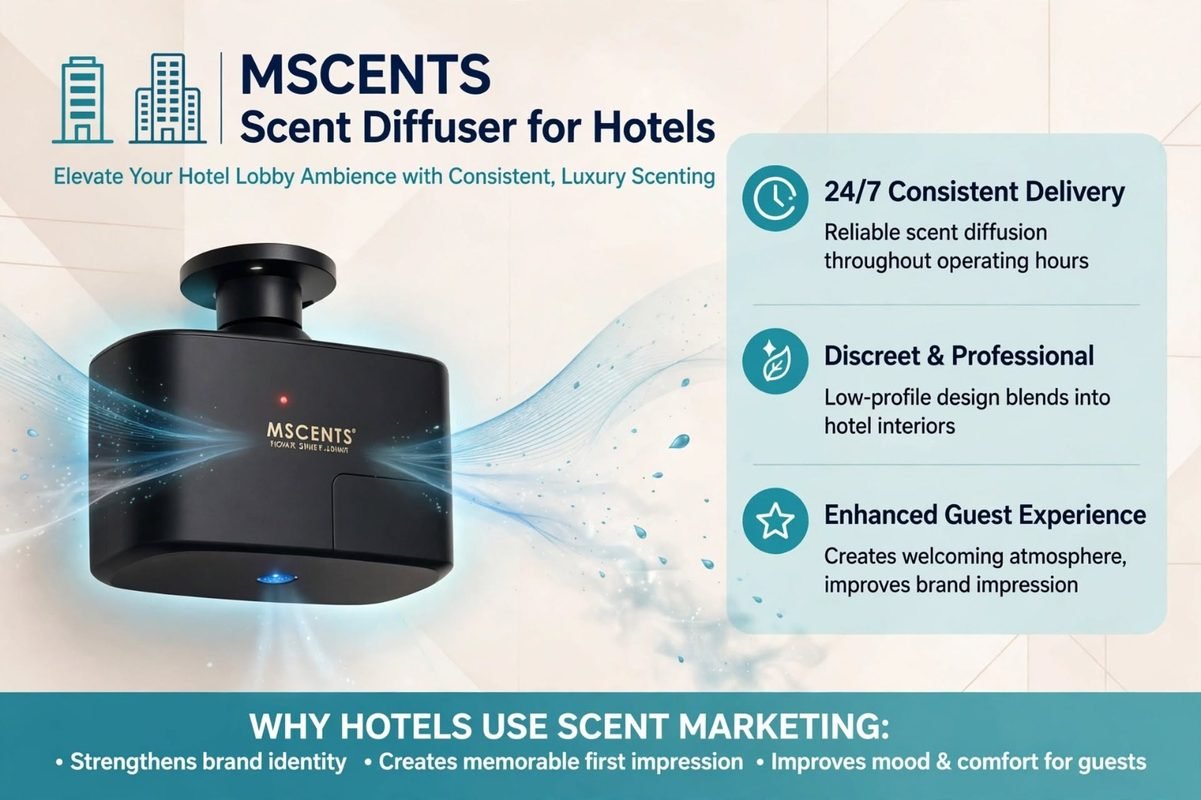
Our guide to premium hotel scents explains what makes a luxury hotel scent work. Our commercial scenting service includes a leased scent machine, installation, a warranty, filter replacement and servicing.
Which small touches work in guest rooms and bathrooms?
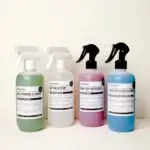
Small, optional touches work best in rooms: a scented hand soap in the bathroom, or a light spray used by housekeeping between stays. Guests can notice them without being surrounded by scent.
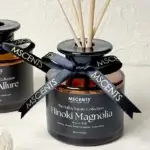
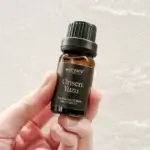
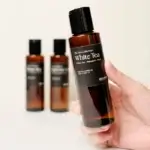
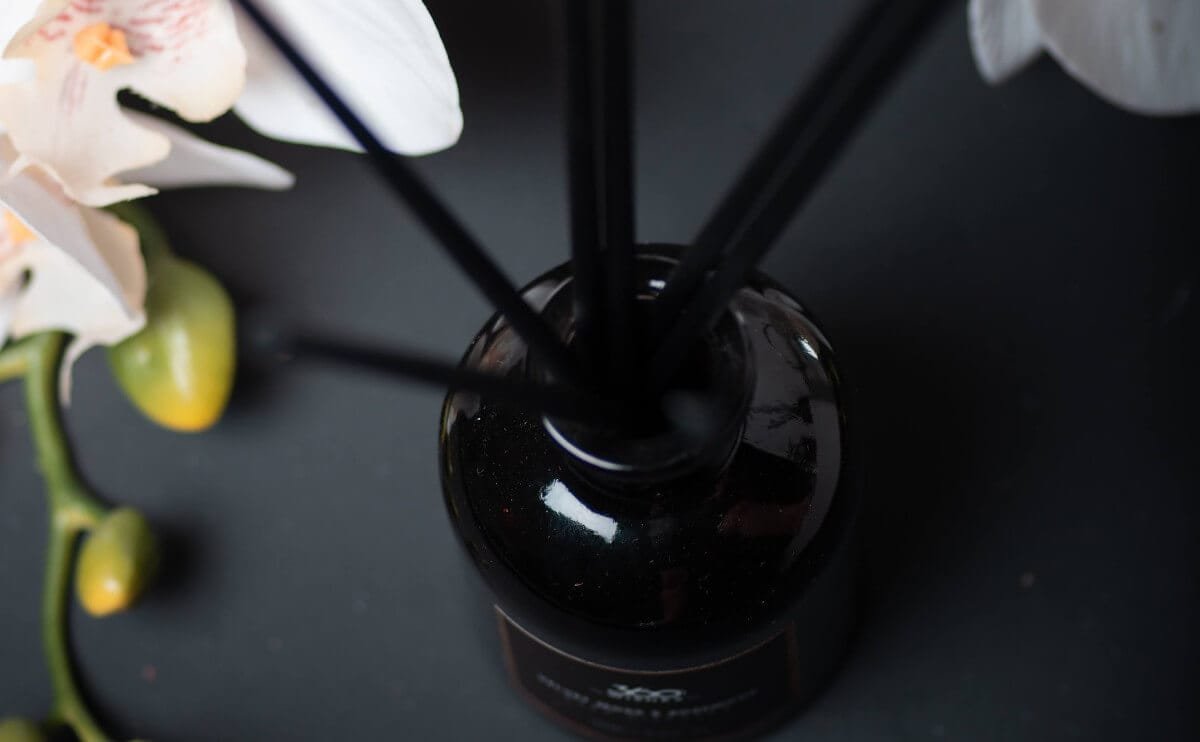
We sell our Luxury Hotel Collection as a reed diffuser and an aromatherapy spray, and we also sell a hand soap.
A reed diffuser has no off switch. A guest cannot turn it down. Because the Hong Kong researchers advised against diffusing ambient scent in guest rooms, reed diffusers are better suited to public areas than private guest rooms. If a hotel considers using one in a guest room, it should account for the fact that guests cannot easily switch it off or control its intensity.
| Option | Guest control | Where it fits | What to watch |
| Scented hand soap | Guest chooses to use it | Bathroom | Check the fragrance with your team before stocking every room |
| Aromatherapy spray | Staff control | Bathroom or entry, between stays | Spray lightly |
| Reed diffuser | None, always on | Public areas rather than private guest rooms | Guests cannot turn it off; researchers advise against diffusing scent in rooms |
| Scent diffused through ventilation | None | Not advised for guest rooms | Researchers advise against it |
What if a guest dislikes the scent?
Some will. The Hong Kong study found that a few guests found the intensity off-putting, and some who were allergic said they did not like the hotel scent trend. Keep the room base neutral, keep scented items small and optional, and log every complaint so you can adjust.
Plan scent for your property
If you manage a hotel and want to plan scent for the lobby, corridors and rooms, contact our team. Tell us which areas you want to scent and your property’s style, and we will reply with the next steps.
Frequently Asked Questions
Should the guest room smell the same as the lobby?
Use the same scent family at a much lower strength, and only through small touches. The Hong Kong study describes a hotel chain that used the same signature scent across its properties. One guest said the scent reminded her of the chain’s London hotel and created a pleasant, welcoming feeling.
Do guests want to take the scent home?
Some do. In the Hong Kong study, about 10 per cent of respondents who answered the open-ended question said they intended to buy the scent as a home or office fragrance. Guests who liked it were slightly more likely to buy it, though the researchers noted the link was not strong.
How do I test a room scent before rolling it out?
Trial the scent in a few rooms over a period that includes busy and quiet nights, and log guest comments. The 2020 Journal of Marketing meta-analysis highlights the importance of selecting scents that suit their environment and are familiar to the audience, supporting the value of testing scent choices before a wider rollout.